Aesthetics Training in UK: Skills, Courses and Career Opportunities

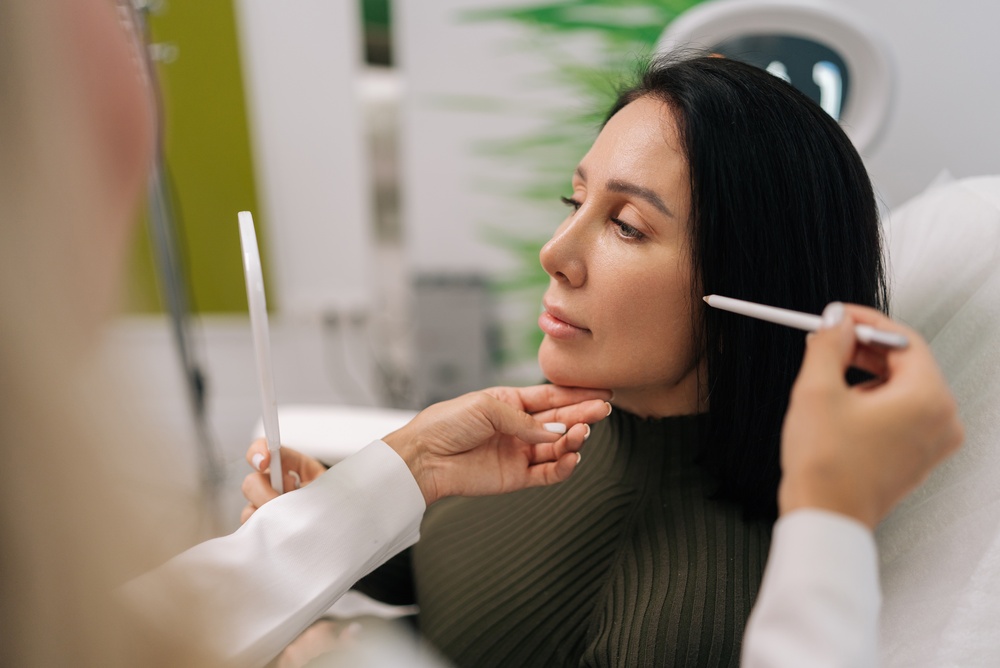
The aesthetics industry has become an increasingly popular area of professional development for people who want to build skills in cosmetic and skin treatments. However, successful aesthetic practice involves much more than learning how to perform a treatment. Practitioners need knowledge of anatomy, consultation, patient safety, treatment planning, aftercare, and professional standards.
Choosing the right aesthetics training in the UK programme can therefore make an important difference to your learning journey and future career development.
At NATA Online, training is designed to support learners at different stages, from foundational aesthetics education through to advanced clinical aesthetic qualifications. The academy provides a range of Level 3 to Level 7 pathways, including programmes for healthcare professionals and eligible non-healthcare practitioners.
What Is Aesthetics Training?
Aesthetics training covers the knowledge and practical skills required to provide aesthetic treatments safely and professionally.
Depending on the qualification, training may include areas such as:
- Anatomy and physiology
- Skin science and dermatology
- Client consultation and assessment
- Treatment planning
- Infection prevention and health and safety
- Product knowledge
- Treatment techniques
- Complication awareness and management
- Aftercare
- Professional ethics
- Clinical documentation
A good course should not simply focus on performing a particular treatment. It should help learners understand why a treatment may be appropriate, when it may not be appropriate, and how to provide appropriate client care throughout the treatment journey.
This broader approach can help practitioners develop confidence while maintaining professional and ethical standards.
Why Choose Professional Aesthetics Training?
The aesthetics sector requires practitioners to combine technical knowledge with good communication and clinical judgement.
Professional training can help you develop a stronger understanding of treatment procedures and the responsibilities that come with working with clients.
Build Practical Skills
Theory is an important part of aesthetic education, but practical experience can help learners translate knowledge into real-world skills.
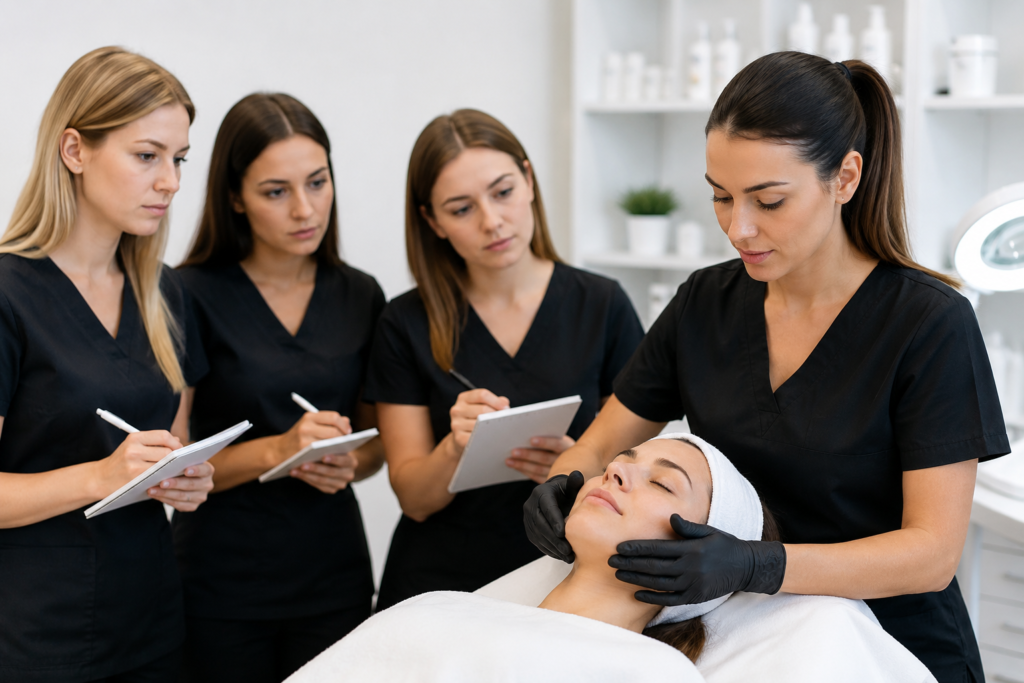
Depending on the course, practical learning may involve demonstrations, clinical observation and supervised treatment experience. NATA’s Level 7 programme, for example, includes in-person practical learning with observations and supervised treatments involving live patients.
Develop Client Consultation Skills
Consultation is one of the most important stages of an aesthetic treatment.
A practitioner needs to understand a client’s expectations, assess their suitability, identify relevant medical considerations and create an appropriate treatment plan.
Training can help learners develop a structured approach to consultation and assessment rather than focusing only on the treatment itself.
Improve Understanding of Safety
Aesthetic procedures require careful attention to health, safety and patient welfare.
Professional courses can introduce learners to areas such as infection prevention, contraindications, treatment risks, complications and appropriate aftercare.
These subjects are particularly important for practitioners who want to develop a responsible and sustainable aesthetics career.
What Types of Aesthetics Courses Are Available?
One of the biggest advantages of the aesthetics sector is the variety of educational pathways available.
The right course will depend on your existing qualifications, experience, career plans and the treatments you want to provide.
Level 3 Aesthetics Courses
Level 3 education can provide a foundation for learners beginning their journey into aesthetics.
For example, NATA offers an OTHM Level 3 Certificate in Principles of Aesthetics covering areas including anatomy, physiology, skincare, consultation and health and safety.
This type of qualification can help learners establish essential knowledge before progressing to more advanced education.
Level 4 and Level 5 Training
Practitioners who already have relevant experience or qualifications may wish to develop more specialised skills.
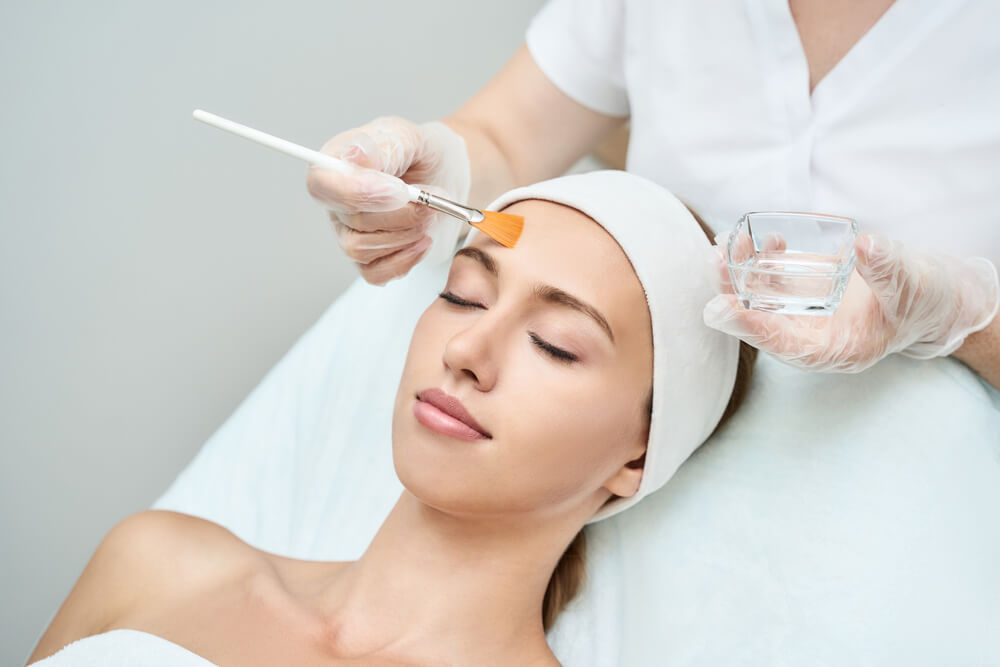
Level 4 and Level 5 pathways can cover areas such as skin rejuvenation, advanced skin needling and chemical peeling.
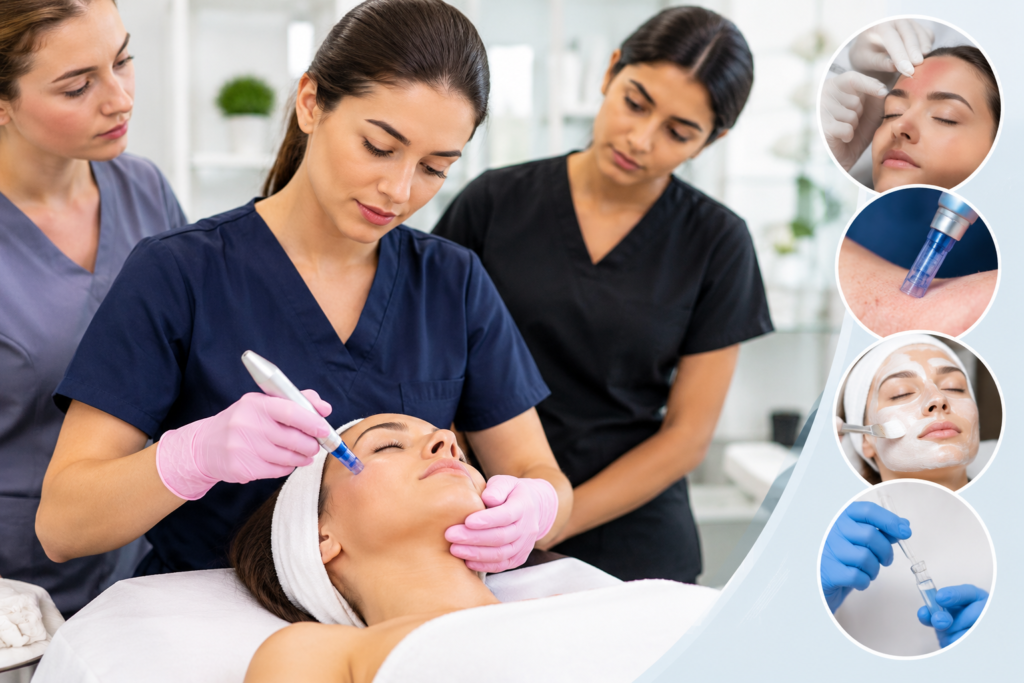
NATA offers Level 4 courses in areas including advanced skin needling and chemical skin peeling, with theory and practical learning included within the course structure.
These qualifications can be useful for practitioners looking to broaden their treatment portfolio.
Level 7 Clinical Aesthetic Training
Healthcare professionals looking to progress into advanced injectable aesthetics may consider a Level 7 qualification.
NATA’s Level 7 Diploma in Clinical Aesthetic Injectable Therapies is awarded by OTHM and approved by the Joint Council for Cosmetic Practitioners (JCCP). The programme covers anatomy, physiology and dermatology, consultation, health and safety, botulinum toxin, dermal fillers, ethics and professional practice.
Entry requirements apply, with the programme aimed at registered healthcare professionals such as nurses, doctors, dentists, midwives and clinical pharmacists.
What Is Cosmetic Injectables Training?
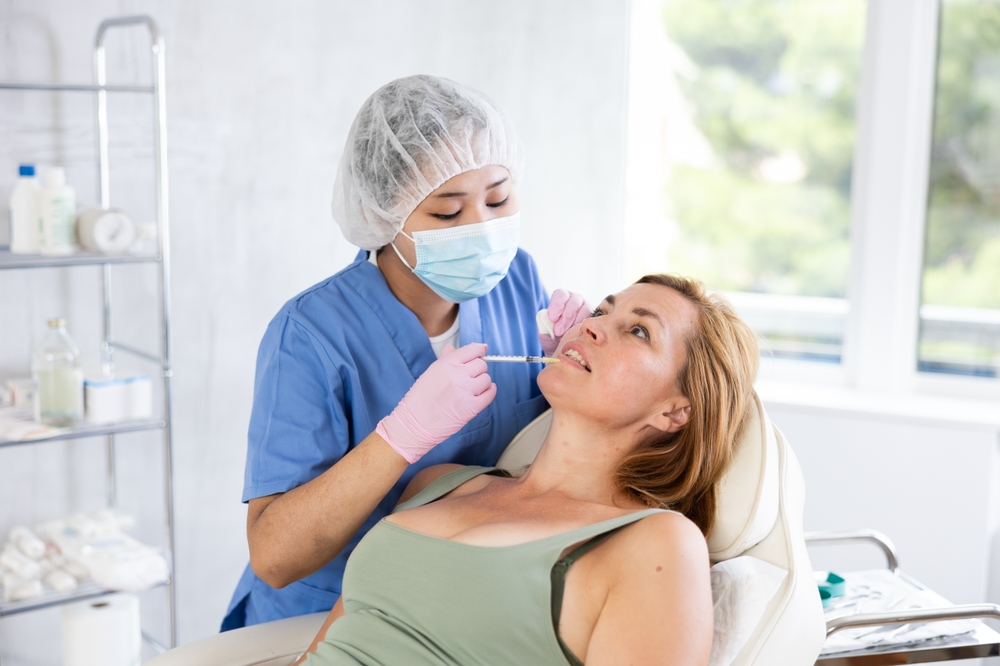
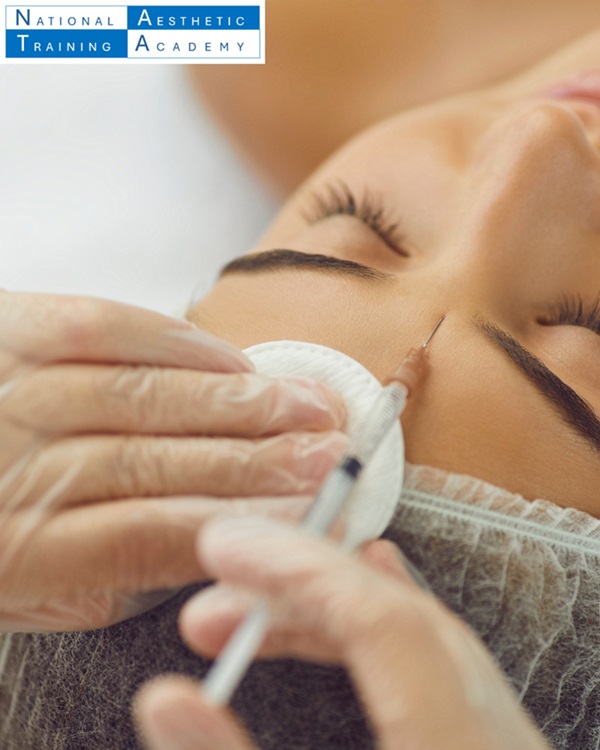
Cosmetic injectables training UK focuses on developing knowledge and skills relating to injectable aesthetic treatments.
Depending on the course and eligibility requirements, training may cover treatments involving botulinum toxin and dermal fillers.
However, responsible injectable education goes beyond learning injection techniques.
Learners should understand:
- Facial anatomy
- Consultation and assessment
- Product selection
- Injection techniques
- Treatment planning
- Patient safety
- Contraindications
- Potential complications
- Aftercare
- Professional and ethical responsibilities
NATA’s Level 7 programme, for example, includes dedicated learning on botulinum toxin and dermal filler treatments for facial and non-facial areas, alongside consultation, safety and professional practice.
How to Choose the Right Aesthetics Course
There are many training providers available, so it is important to look beyond course titles and prices.
Before enrolling, consider the following factors.
Check the Entry Requirements
Not every course is suitable for every learner.
Some programmes are designed for beginners or beauty professionals, while advanced injectable qualifications may require a relevant healthcare background.
Look at the Qualification
Find out who awards the qualification and whether the course has appropriate accreditation or approval.
NATA’s Level 7 Diploma is awarded by OTHM and approved by JCCP, providing a structured qualification pathway for eligible healthcare professionals.
Consider Practical Experience
Ask how much practical learning is included and whether learners have opportunities to observe or perform treatments under appropriate supervision.
Practical experience can help bridge the gap between theoretical knowledge and clinical application.
Look at Tutor Support
Good education should not end when you complete an online lesson.
Consider whether the provider offers tutor guidance, clinical supervision, mentoring or additional support during and after the programme.
NATA provides named tutor support and, for full Level 7 Diploma students, 12 months of free mentorship after completion.
Why Consider NATA Online?
NATA Online provides structured aesthetics education designed around different stages of professional development.
Its course portfolio includes Level 3, Level 4, Level 5, and Level 7 pathways, alongside specialist training such as microneedling, skin rejuvenation, polynucleotides, Cool Plasma, and foundation injectables training.
The learning model combines online theory with practical education where required. NATA states that its online resources are available 24/7, allowing learners to fit theory study around professional and personal commitments.
The academy also highlights nurse-led education, tutor support, clinical supervision and ongoing mentorship as part of its approach.
For learners seeking aesthetics education in Liverpool, NATA also provides practical training at its academy, giving eligible students opportunities to develop hands-on experience alongside their theoretical studies.
Frequently Asked Questions
Is aesthetics training suitable for beginners?
Yes, some courses are specifically designed for people starting their aesthetics education.
What can I learn through aesthetics training?
Training can cover anatomy, consultation, treatment planning, skin science, health and safety, aftercare and professional responsibilities.
Who can undertake cosmetic injectables training?
Eligibility varies between courses. Advanced injectable programmes may be designed specifically for registered healthcare professionals.
Does aesthetics training include practical experience?
Some programmes include practical training, but the format differs between providers. Before enrolling, check whether the course includes demonstrations, clinical observation, supervised practice or live-model experience.
Final Thoughts
Choosing the right education is an important step towards developing a professional career in aesthetics. From foundational qualifications to advanced injectable education, the right training can help you build knowledge, practical skills and confidence.
If you are considering aesthetics training UK, explore NATA Online’s range of courses and find a programme that matches your current experience and future goals.
Whether you want to develop skin treatment skills or progress towards cosmetic injectables training UK, choosing a structured and professionally focused course can give you a stronger foundation for your next step in aesthetics. Enrol now.
Responses