Microneedling, Chemical Peels or Plasma: Which Skill Should You Learn First?

The aesthetics industry is constantly evolving, with clients seeking advanced skin rejuvenation treatments that deliver noticeable results without surgery. As a practitioner, learning the right treatment at the right stage of your career can make a significant difference to your confidence, client satisfaction, and business growth.
Three of the most sought-after treatments today are microneedling, chemical peels, and plasma skin rejuvenation. Each treatment addresses different skin concerns, requires specific clinical knowledge, and offers unique career opportunities. But if you’re planning to expand your skills, one question naturally arises—which treatment should you learn first?
At NATA Online, we offer professional aesthetic education designed to help practitioners develop practical skills while building confidence in safe and effective treatment delivery. Whether you’re beginning your journey or advancing your expertise, understanding the strengths of each treatment will help you make the right learning decision.
Why Choosing the Right Training Matters
The success of any aesthetic practitioner starts with quality education. Learning advanced treatments isn’t just about mastering techniques—it also involves understanding skin anatomy, patient assessment, consultation, contraindications, treatment planning, infection control, and aftercare.
Professional training ensures you can:
- Deliver treatments safely
- Improve client outcomes
- Build professional credibility
- Increase treatment options
- Grow your business confidently
- Stay aligned with current industry standards
Choosing the right course sequence also allows you to develop your skills progressively rather than attempting advanced procedures before building a strong foundation.
Understanding Microneedling
Microneedling has become one of the most popular skin rejuvenation treatments due to its versatility and excellent clinical results.
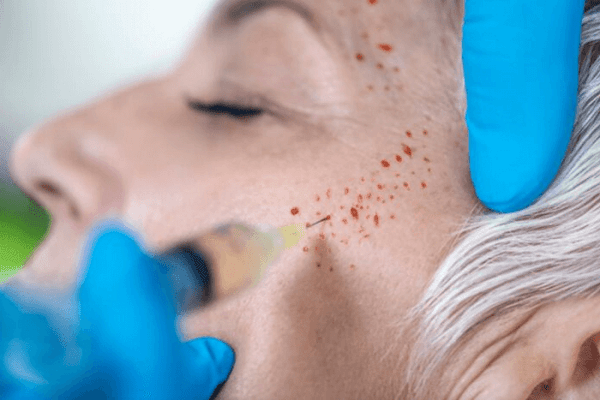
The procedure creates controlled micro-injuries within the skin, encouraging the body’s natural healing response. This stimulates collagen and elastin production, improving overall skin quality over time.
Common concerns treated with microneedling include:
- Acne scars
- Fine lines
- Wrinkles
- Enlarged pores
- Uneven skin texture
- Sun damage
- Mild pigmentation
- Stretch marks
Because of its broad treatment applications, many practitioners choose Microneedling Training in Liverpool as one of their first advanced skin qualifications.
Why Microneedling Is an Excellent Starting Point
Microneedling introduces practitioners to important aesthetic principles, including:
- Comprehensive skin assessment
- Treatment planning
- Safe device handling
- Client consultation
- Infection prevention
- Treatment protocols
- Aftercare recommendations
These skills create an excellent foundation before progressing to more specialised procedures.
Understanding Chemical Peels
Chemical peels remain one of the most effective treatments for improving skin appearance while addressing multiple concerns simultaneously.
During treatment, carefully selected chemical solutions remove damaged outer skin layers, encouraging fresh skin renewal.
Chemical peels commonly improve:
- Hyperpigmentation
- Melasma
- Acne-prone skin
- Fine lines
- Sun damage
- Uneven skin tone
- Dull complexion
Professional Chemical Peel Training in Liverpool teaches practitioners how different acids work, when to use them safely, and how to personalise treatment plans for different skin types.
Skills You’ll Develop
Training generally includes:
- Skin analysis
- Peel selection
- Patient suitability
- Treatment protocols
- Managing reactions
- Post-treatment care
- Contraindications
Understanding peel depth and patient selection is essential for achieving safe, predictable outcomes.
Understanding Plasma Treatments
Plasma technology represents one of the most advanced developments in modern non-surgical aesthetics.
Instead of injections or surgical intervention, plasma energy creates tiny controlled treatment points on the skin surface, stimulating collagen remodelling and skin tightening.
Common treatment areas include:
- Eyelid tightening
- Crow’s feet
- Neck rejuvenation
- Upper lip lines
- Skin laxity
- Fine wrinkles
Because plasma treatments require a strong understanding of skin healing and patient selection, many practitioners choose Plasma Training UK after gaining experience with foundational skin treatments.
Skills Covered During Plasma Training
Professional plasma education focuses on:
- Plasma technology principles
- Patient consultation
- Skin assessment
- Treatment planning
- Safe device operation
- Healing stages
- Risk management
- Clinical documentation
These skills help practitioners perform treatments confidently while prioritising patient safety.
Which Skill Should You Learn First?
Although every practitioner’s career path is different, many experienced educators recommend following a structured progression.
Step 1 – Microneedling
Microneedling is often considered the ideal starting point because it develops essential consultation, skin assessment, and treatment planning skills while introducing collagen induction therapy.
Step 2 – Chemical Peels
After gaining confidence with skin rejuvenation, chemical peel training expands your understanding of skin conditions, pigmentation, and customised treatment protocols.
Step 3 – Plasma
Once you have developed strong clinical knowledge and practical experience, plasma training becomes a natural progression into advanced skin tightening procedures.
This pathway allows practitioners to build competence gradually while increasing the range of treatments they can safely offer.
Why Learning Multiple Treatments Is Beneficial
Clients rarely require just one treatment. Most successful aesthetic practitioners create personalised treatment plans by combining different procedures.
For example:
- Microneedling may improve acne scars.
- Chemical peels may target pigmentation.
- Plasma may tighten loose skin.
Having multiple qualifications enables practitioners to recommend the most appropriate treatment rather than relying on a single solution for every client.
This not only improves treatment outcomes but also increases client satisfaction and encourages repeat appointments.
Why Choose NATA Online?
Selecting the right training provider is just as important as choosing which treatment to learn.
At NATA Online, we are committed to delivering high-quality education that combines evidence-based theory with practical learning.
Our courses are designed to help students build confidence while meeting professional standards expected within the aesthetics industry.
Students benefit from:
- Experienced aesthetic educators
- Industry-focused curriculum
- Practical hands-on learning
- Flexible study options
- Comprehensive course materials
- Ongoing learner support
- Career-focused training pathways
Whether you’re beginning your journey or expanding your treatment portfolio, our programmes are designed to support your long-term success.
Frequently Asked Questions
Which treatment is best for beginners?
For many practitioners, Microneedling Training in Liverpool is an excellent starting point because it builds essential consultation, skin assessment, and collagen induction skills before progressing to more advanced procedures.
Should I complete chemical peel training before plasma training?
Yes. Many practitioners benefit from learning skin rejuvenation and treatment planning through Chemical Peel Training in Liverpool before moving on to advanced plasma procedures.
Is plasma training suitable for experienced practitioners?
Yes. Plasma training UK is ideal for practitioners who already have a solid understanding of skin rejuvenation and want to expand into advanced skin tightening treatments.
Can I offer all three treatments in my clinic?
Absolutely. Many successful clinics provide microneedling, chemical peels, and plasma treatments to create personalised treatment plans based on each client’s skin concerns.
Build a Strong Career in Aesthetics
Adding multiple skin rejuvenation treatments allows you to treat a wider variety of client concerns while strengthening your professional reputation.
Whether your ambition is to work in a clinic, establish your own business, or offer advanced skin treatments, investing in professional education gives you the confidence to deliver safe and effective results.
At NATA Online, we are proud to help practitioners build successful careers through expert-led training and comprehensive aesthetic education.
Visit us to explore our full range of advanced aesthetic courses and take the next step towards achieving your professional goals.
Responses