Build Your Skills with Professional Aesthetic Training

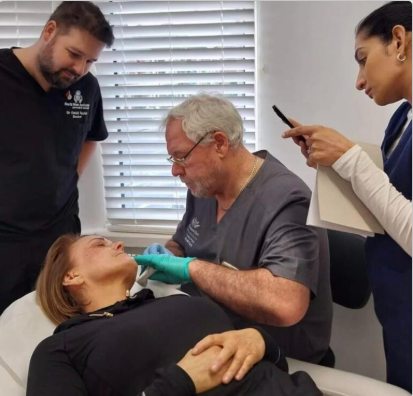
The demand for non-surgical aesthetic treatments continues to grow across the UK, creating opportunities for qualified healthcare professionals to develop their skills in cosmetic procedures. Choosing the right Cosmetic injectables training UK programme is an important step towards gaining practical knowledge, understanding treatment techniques, and building confidence in aesthetic practice.
NATA supports learners looking to develop their knowledge of clinical aesthetics through professional training opportunities designed to help them progress in the aesthetics industry. Selecting suitable training is essential for understanding facial anatomy, patient assessment, treatment planning, and safe clinical practice.
Why Choose Cosmetic Injectables Training in the UK?
Professional training can help eligible practitioners strengthen their understanding of injectable treatments and develop the skills needed for responsible aesthetic practice. When comparing courses, consider the curriculum, practical learning opportunities, trainer experience, and the support available throughout your training.
With NATA, prospective learners can explore aesthetic training opportunities that align with their professional background and career goals.
What Can You Learn During Cosmetic Injectables Training?
A comprehensive cosmetic injectables course may cover several important areas, including:
- Facial Anatomy: Understand facial structures and their relevance to injectable treatments.
- Patient Consultation: Learn about medical history, suitability assessments, and informed consent.
- Treatment Planning: Develop an understanding of individual patient needs and appropriate treatment approaches.
- Clinical Safety: Explore infection prevention, complications awareness, and patient aftercare.
- Professional Practice: Understand ethical responsibilities, record-keeping, and appropriate clinical standards.
Course content and practical components vary by provider, so it is important to confirm exactly what is included before enrolling.
Who Can Apply for Cosmetic Injectables Training?
Eligibility depends on the course, the learner’s existing qualifications, professional registration, and the requirements applicable to the treatments being taught. Some programmes are designed specifically for eligible healthcare professionals, while other introductory courses may have different entry requirements.
Before booking, check that the course is appropriate for your professional background and intended scope of practice. Completing a training course alone does not automatically establish eligibility to perform every injectable procedure.
How to Choose the Right Aesthetic Training Course
When researching Cosmetic injectables training UK, look for a provider that clearly explains its entry requirements, learning outcomes, practical training arrangements, assessment methods, and post-course support.
You should also check the relevance of the qualification, any applicable insurance requirements, and the current professional and regulatory guidance for the treatments you intend to offer.
NATA can be a starting point for exploring aesthetic education options and identifying training that suits your learning objectives. Contact the academy to confirm current course availability, eligibility, and programme details.
Start Your Aesthetic Training Journey with NATA
Developing a career in aesthetics requires a commitment to ongoing learning, responsible practice, and patient safety. The right training can help eligible practitioners strengthen their knowledge and make informed decisions about their professional development.
If you are researching Cosmetic injectables training UK, explore the available training options with NATA and enquire about the programme that best matches your qualifications and career ambitions.
Contact NATA on 0330 333 6293 to learn more about available aesthetic training opportunities.
Frequently Asked Questions (FAQs)
1. What is cosmetic injectables training?
Cosmetic injectables training introduces learners to relevant facial anatomy, patient consultation, treatment planning, clinical safety, and injectable treatment techniques. Course content depends on the provider and the learner’s eligibility.
2. Who is eligible for cosmetic injectables training in the UK?
Eligibility varies by course and treatment. Many clinical injectable programmes require relevant healthcare qualifications or professional registration. Always confirm the provider’s entry requirements and the current rules applicable to your intended practice.
3. How do I choose the best cosmetic injectables training course?
Compare course content, trainer qualifications, practical experience, assessment methods, post-course support, and the relevance of the qualification to your professional background.
4. Does completing a cosmetic injectables course allow me to practise immediately?
Not necessarily. Course completion does not automatically grant professional registration, prescribing authority, insurance eligibility, or permission to perform every procedure. You must meet the requirements applicable to your profession and intended treatments.
5. Why consider NATA for aesthetic training?
NATA is an option to explore when researching aesthetic education. Prospective learners should contact the academy to verify its current programmes, course content, eligibility criteria, and available practical training.
6. How can I enquire about cosmetic injectables training with NATA?
You can contact NATA on 0330 333 6293 to ask about current training options, entry requirements, and the next steps for enrolment.
Conclusion
Choosing the right Cosmetic injectables training UK programme is an important step towards developing knowledge and competence in aesthetic practice. By evaluating course content, eligibility, practical learning, and professional requirements, learners can make informed decisions about their training. Contact NATA to explore available options and take the next step in your aesthetic education journey.




Responses