What Do You Learn on Non-Surgical Aesthetic Training Courses?

The aesthetics industry continues to develop, with more clients looking for non-surgical treatments that can improve skin quality, facial appearance and overall confidence without invasive surgery. As demand grows, practitioners need the right education, practical skills and professional understanding to provide treatments safely and effectively.
This is where non-surgical aesthetic training courses UK can make a valuable difference. Whether you are starting your aesthetics career or looking to expand your existing treatment skills, structured training can help you understand both the theory and practical side of non-surgical procedures.
At NATA Online, learners can develop their knowledge through professional aesthetics education designed to support progression within the industry. But what exactly can you expect to learn?
What Are Non-Surgical Aesthetic Training Courses?
Non-surgical aesthetic training courses focus on treatments that enhance or rejuvenate a client’s appearance without conventional surgery. Depending on the course and level, training may cover skin rejuvenation, facial aesthetics, advanced skincare techniques and other non-surgical procedures.
A good course should go beyond simply demonstrating how a treatment is performed. It should help learners understand:
- Treatment principles
- Client consultation
- Skin and facial assessment
- Treatment planning
- Product and equipment knowledge
- Hygiene and infection prevention
- Potential risks and complications
- Aftercare
- Professional responsibilities
The exact content will vary depending on the course, qualification and treatment area.
What Will You Learn During Your Training?
- Consultation and Client Assessment
One of the most important parts of aesthetic practice is understanding the client before considering any treatment.
Training helps practitioners develop a structured consultation process. This can include discussing the client’s concerns, expectations, previous treatments, relevant medical information and desired outcomes.
You may also learn how to identify when a treatment may not be appropriate and when a client should be referred to another healthcare professional.
Good consultation skills are essential because successful aesthetics is not simply about performing a procedure. It is about making informed and responsible decisions based on the individual client.
- Understanding Skin and Facial Anatomy
A strong understanding of anatomy is an important foundation for aesthetic training.
Depending on the course level, learners may study areas such as:
- Skin structure and function
- Facial anatomy
- Muscles and tissue
- Blood vessels and nerves
- Skin types and conditions
- How ageing can affect the face
This knowledge helps practitioners understand the areas they are working with and make more informed treatment decisions.
- Treatment Techniques and Practical Skills
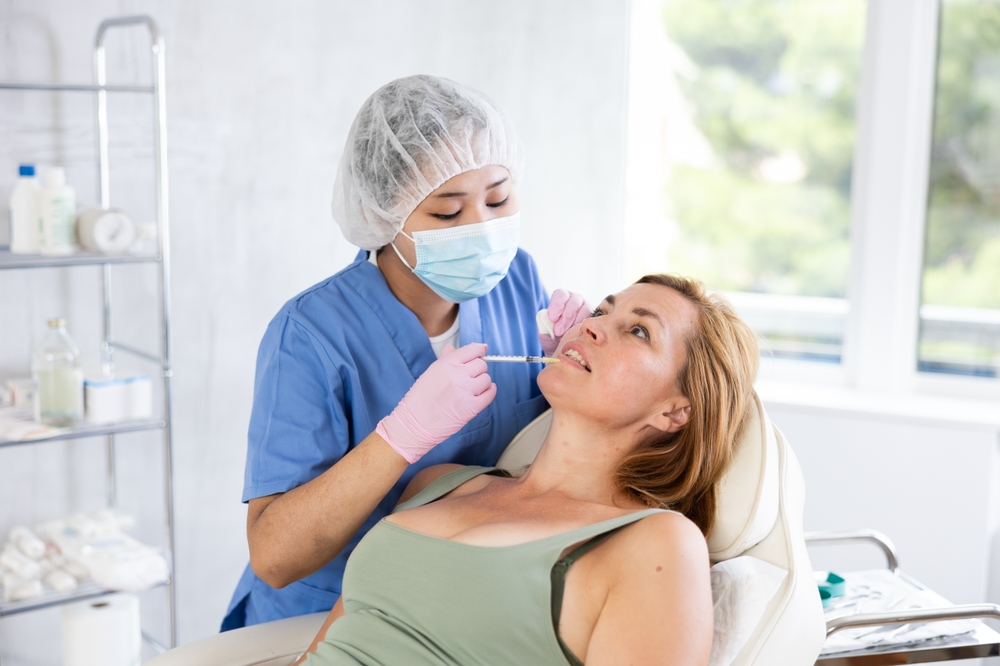
A major benefit of non-surgical aesthetic training courses UK is the opportunity to develop practical treatment skills.
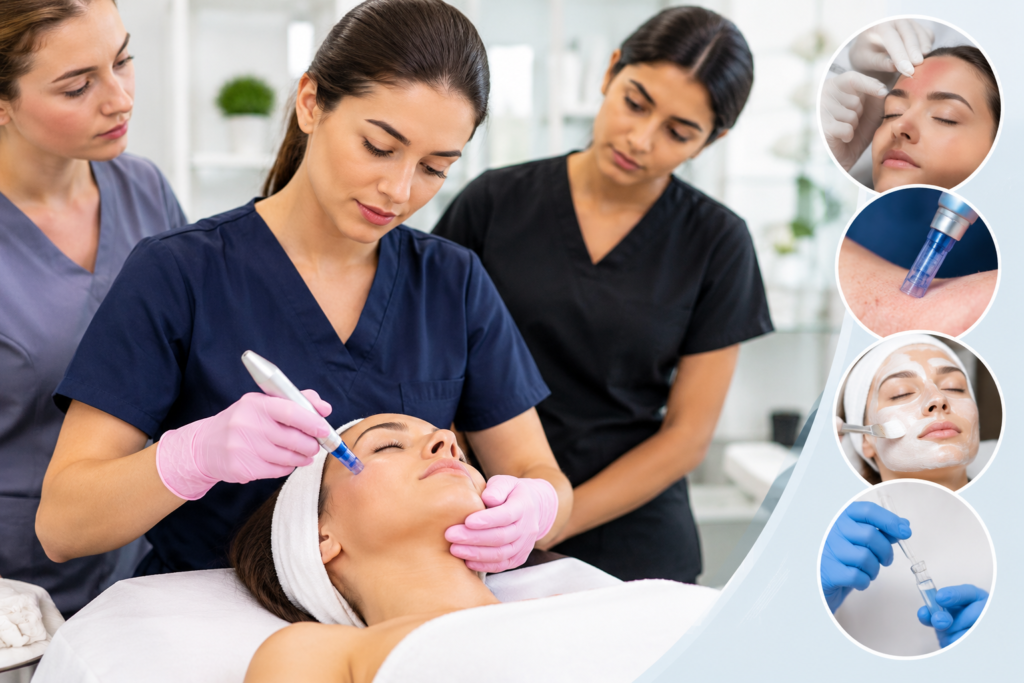
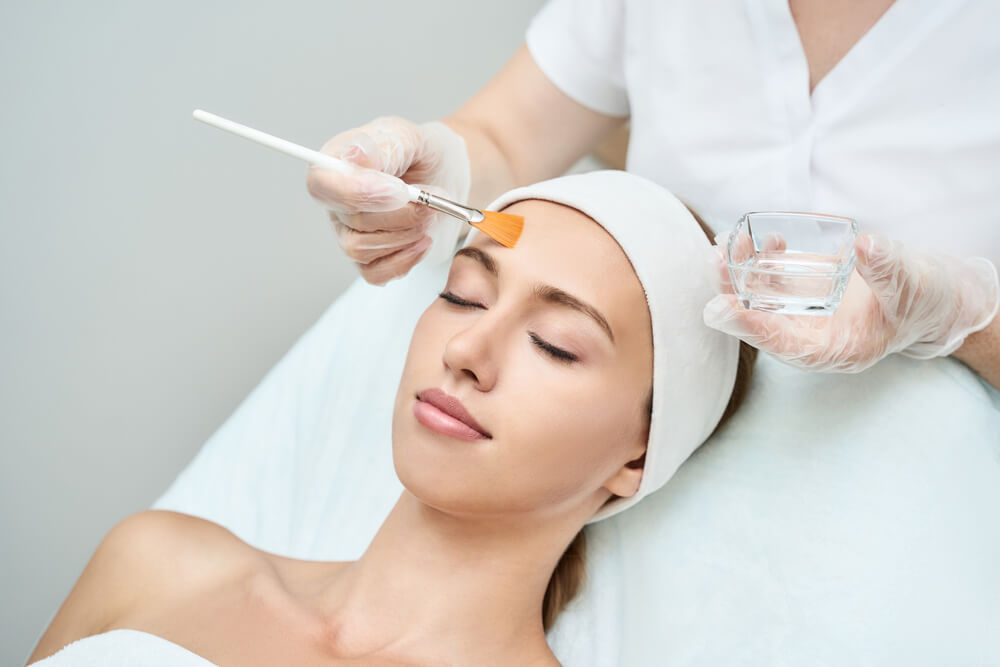
Course content can vary, but training may introduce learners to techniques used in areas such as skin rejuvenation, microneedling, chemical peels, advanced skincare and other non-surgical treatments.
Practical learning allows students to understand how equipment, products and treatment protocols are used in a professional environment.
For practitioners, hands-on experience can also help build confidence before offering treatments to clients.
- Product and Equipment Knowledge
Aesthetic treatments often involve specialised products and equipment. Understanding how they work is an important part of professional practice.
Training can help learners understand:
- Different treatment products
- Appropriate product selection
- Equipment functions
- Treatment settings
- Product storage
- Safe handling procedures
- Manufacturer guidance
Rather than simply learning a treatment routine, students can develop a better understanding of why particular products or techniques may be selected for different clients.
- Health, Safety and Infection Prevention
Safety should always be at the centre of aesthetic practice.
Professional training introduces learners to appropriate hygiene procedures, infection prevention and safe working practices. This may include preparing the treatment area, maintaining clean equipment and following appropriate hygiene protocols.
You may also learn about potential treatment risks and how to respond appropriately if a client experiences an unexpected reaction.
This part of training is particularly important because practitioners have a responsibility to protect both themselves and their clients.
- Recognising Risks and Complications
No aesthetic treatment should be considered completely risk-free.
An important part of training is understanding possible side effects, contraindications and complications associated with specific procedures.
Students can learn how to recognise potential concerns and understand when further professional assessment may be required.
Knowing what not to treat can be just as important as knowing how to perform a treatment.
This helps practitioners develop a more responsible approach to aesthetics and avoid making decisions based solely on a client’s requested outcome.
- Aftercare and Client Guidance
The treatment does not necessarily end when the procedure is complete.
Effective aftercare can be an important part of a client’s experience. Training can teach practitioners how to provide clear post-treatment guidance, including what clients should expect during recovery and which activities may need to be avoided.
Good communication is essential here. Clients should understand how to care for the treated area and when they should seek further advice if they experience something unexpected.
- Professional Consultation and Communication
Aesthetics is a client-focused industry, so communication skills matter.
During training, learners can develop their ability to:
- Listen to client concerns
- Explain treatments clearly
- Discuss realistic outcomes
- Manage expectations
- Answer questions professionally
- Obtain appropriate consent
- Maintain client confidentiality
Building trust is particularly important in aesthetics because clients are often making decisions about their appearance and wellbeing.
Why Practical Training Matters
Online theory can provide useful background knowledge, but practical training offers another important dimension.
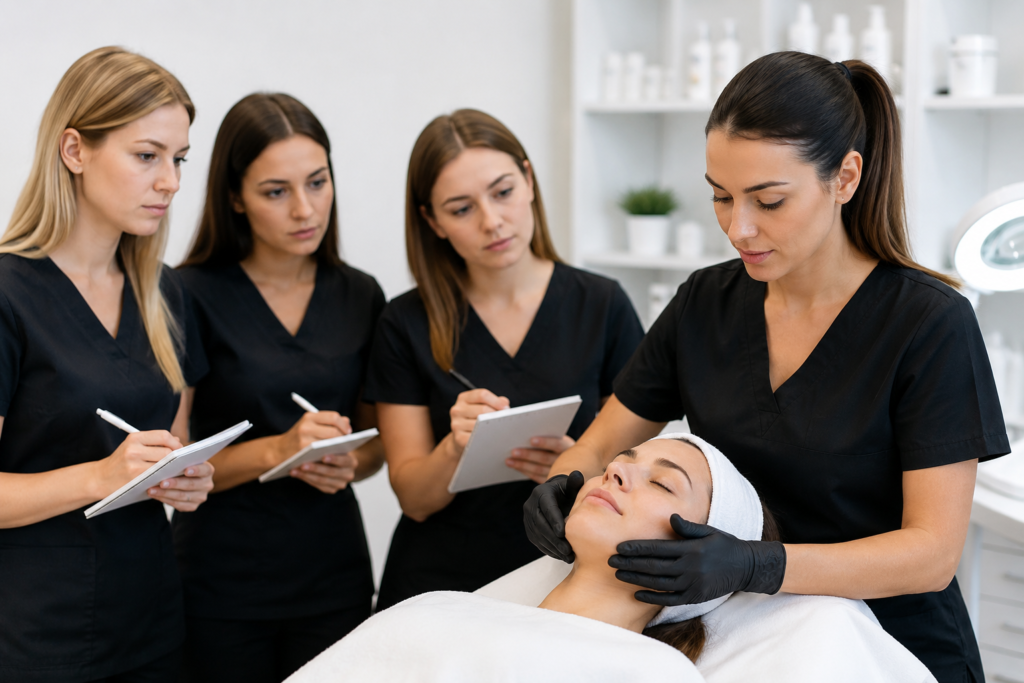
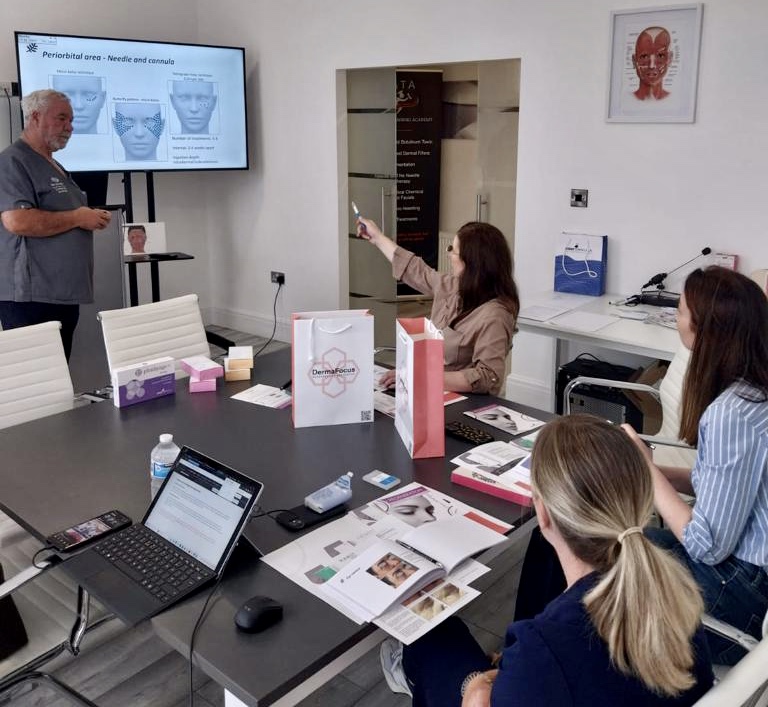
Hands-on learning can help students become familiar with treatment procedures, equipment and professional routines. It also gives learners an opportunity to ask questions and receive guidance while developing their technique.
For someone entering the aesthetics industry, this practical experience can be an important step towards becoming more confident in a professional setting.
Who Can Benefit From Non-Surgical Aesthetic Training?
The suitability of a particular course depends on its entry requirements and qualification level. However, non-surgical aesthetics education can be relevant to a range of learners, including:
- Existing beauty professionals
- Aesthetic practitioners
- Healthcare professionals
- Clinic owners
- Practitioners wanting to expand their treatment portfolio
- Individuals looking to develop a career in aesthetics
Before enrolling, always check the specific entry requirements and whether the course matches your existing qualifications and career goals.
Choosing the Right Aesthetic Training Provider
Not every course offers the same learning experience. When comparing non-surgical aesthetic training courses, look beyond the course title and consider what is actually included.
Important factors include:
Course Content
Check whether the syllabus covers the theory, practical techniques, safety and aftercare knowledge you need.
Practical Experience
If your goal is to perform treatments professionally, find out how much practical training is included.
Tutor Experience
Experienced tutors can provide useful insight into real-world treatment situations and professional practice.
Qualification and Accreditation
Check what qualification you will receive and whether it is appropriate for your intended career pathway.
Support After Training
Ongoing guidance or mentorship can be valuable, particularly when you are developing your confidence after completing a course.
Why Choose NATA Online?
Choosing the right training provider is an important decision for anyone considering a career or progression in aesthetics.
NATA Online offers a range of aesthetics training options designed to help learners build their knowledge and develop practical skills. From foundational education to more advanced training, the courses are structured to support different stages of professional development.
For learners looking for aesthetics education in Liverpool, NATA Online provides training options that can help develop relevant skills while supporting progression within the growing aesthetics sector.
The aim is not simply to complete a course. Quality training should help you develop the knowledge, confidence and professional approach needed to continue learning and progressing.
Frequently Asked Questions
What do non-surgical aesthetic training courses teach?
They can cover consultation, anatomy, treatment techniques, product knowledge, health and safety, infection prevention, complications, aftercare and professional client communication. Course content varies by qualification and treatment.
Are non-surgical aesthetics courses suitable for beginners?
Some courses are designed for beginners, while others require previous qualifications or professional experience. Always check the entry requirements before enrolling.
Do non-surgical aesthetic courses include practical training?
Many professional courses include practical learning, although the amount varies between providers. Check the course structure to understand how much hands-on experience is offered.
Can non-surgical aesthetics training help my career?
Yes. Training can help you develop additional skills, expand your treatment portfolio and build knowledge relevant to working within the aesthetics industry. Your opportunities will depend on your qualifications, experience and applicable professional or regulatory requirements.
Start Building Your Aesthetics Skills
Non-surgical aesthetics requires more than learning how to perform an individual treatment. A well-rounded education should cover consultation, anatomy, treatment planning, practical techniques, safety, complications, aftercare and professional communication.
The right non-surgical aesthetic training courses UK can therefore provide a strong foundation for practitioners who want to expand their skills and explore new career opportunities.
If you are considering your next step in aesthetics, explore the training options available through NATA Online and choose a course that matches your experience, goals and professional development needs.
Responses