A Complete Guide for Aesthetic Professionals


The aesthetics industry continues to evolve, with skin booster treatments becoming increasingly popular among clients seeking improved skin hydration, texture and radiance. For professionals looking to expand their treatment knowledge, Skin booster training Liverpool offers an opportunity to develop relevant skills and explore new possibilities in clinical aesthetics.
Whether you are an experienced aesthetic practitioner or a healthcare professional looking to broaden your expertise, choosing suitable training is an important step towards building confidence and delivering responsible, professional treatments.
What Is Skin Booster Treatment?
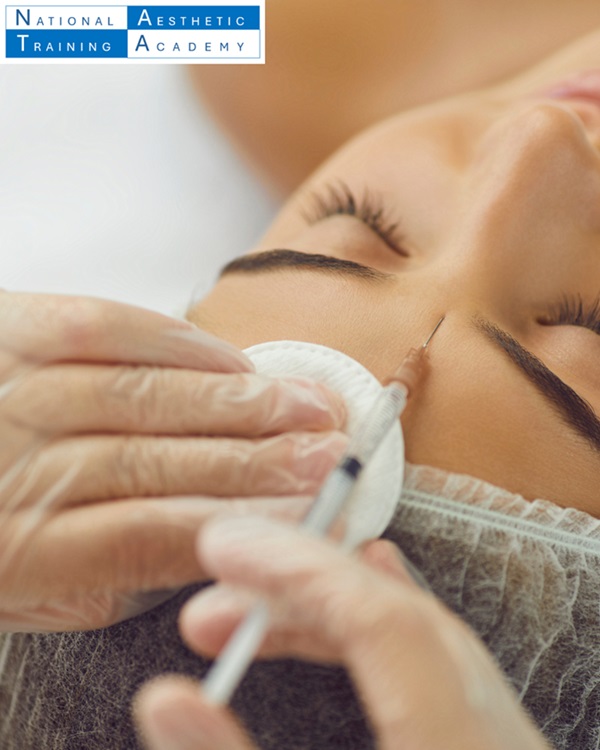
Skin booster treatments are aesthetic procedures designed to improve skin hydration, texture and overall appearance. Depending on the product used, these treatments may involve injectable formulations containing hyaluronic acid or other skin-conditioning ingredients.
Unlike traditional dermal fillers, which are primarily used to add volume or enhance facial contours, many skin boosters focus on supporting skin quality and hydration.
Common areas that may be considered for treatment include:
- Face and cheeks
- Neck
- Décolletage
- Hands
Treatment suitability depends on the product, the individual’s skin concerns and a qualified practitioner’s assessment. Understanding these differences is an important part of professional skin booster education.
Why Choose Skin Booster Training Liverpool?
Liverpool offers opportunities for healthcare professionals and eligible aesthetic practitioners to explore specialist training and develop their knowledge of modern aesthetic treatments.
Enrolling in Skin booster training Liverpool can help suitable learners build a stronger understanding of treatment principles, patient assessment and professional responsibilities.
Key areas to consider when selecting a course include:
- Treatment knowledge: Understand the principles, applications and limitations of skin booster procedures.
- Patient consultation: Learn how to discuss expectations, medical history and treatment suitability.
- Product knowledge: Explore appropriate product selection, indications and manufacturer guidance.
- Safety awareness: Study contraindications, infection prevention, complications and appropriate escalation procedures.
- Practical learning: Where included, develop supervised clinical skills within the course’s eligibility and safety requirements.
A quality training programme should focus on patient welfare, professional standards and evidence-informed practice rather than simply teaching a procedure.
Who Can Benefit from Skin Booster Training?
Skin booster education may be suitable for eligible healthcare professionals and practitioners who want to expand their knowledge of non-surgical aesthetic treatments.
Potential learners may include:
- Registered nurses
- Doctors
- Dentists
- Other appropriately qualified healthcare professionals
- Existing aesthetic practitioners seeking further education
Entry requirements vary according to the course and the treatments being taught. Before enrolling, confirm the provider’s eligibility criteria, required qualifications, practical training arrangements and any relevant professional or insurance requirements.
Anyone considering injectable aesthetics should ensure their training and intended scope of practice comply with applicable UK regulations and professional standards.
What Should a Skin Booster Training Course Cover?
When comparing courses, prospective learners should look for a balanced curriculum that addresses both theoretical knowledge and clinical safety.
1. Skin Anatomy and Physiology
Understanding skin structure, facial anatomy and the ageing process helps practitioners appreciate how treatments may affect different tissues and why appropriate assessment is essential.
2. Consultation and Patient Assessment
Effective consultations help practitioners identify treatment goals, review relevant medical history, assess suitability and explain realistic outcomes. Informed consent should be an integral part of the process.
3. Product Knowledge
Learners should understand the intended use, limitations, storage requirements and manufacturer instructions for the products covered in their training.
4. Infection Prevention and Clinical Safety
Training should address hygiene, aseptic principles, appropriate equipment, contraindications and the recognition of potential complications.
5. Complication Awareness and Aftercare
A responsible course should explain possible adverse effects, appropriate aftercare, follow-up arrangements and when urgent medical assessment or referral may be necessary.
6. Practical Training and Assessment
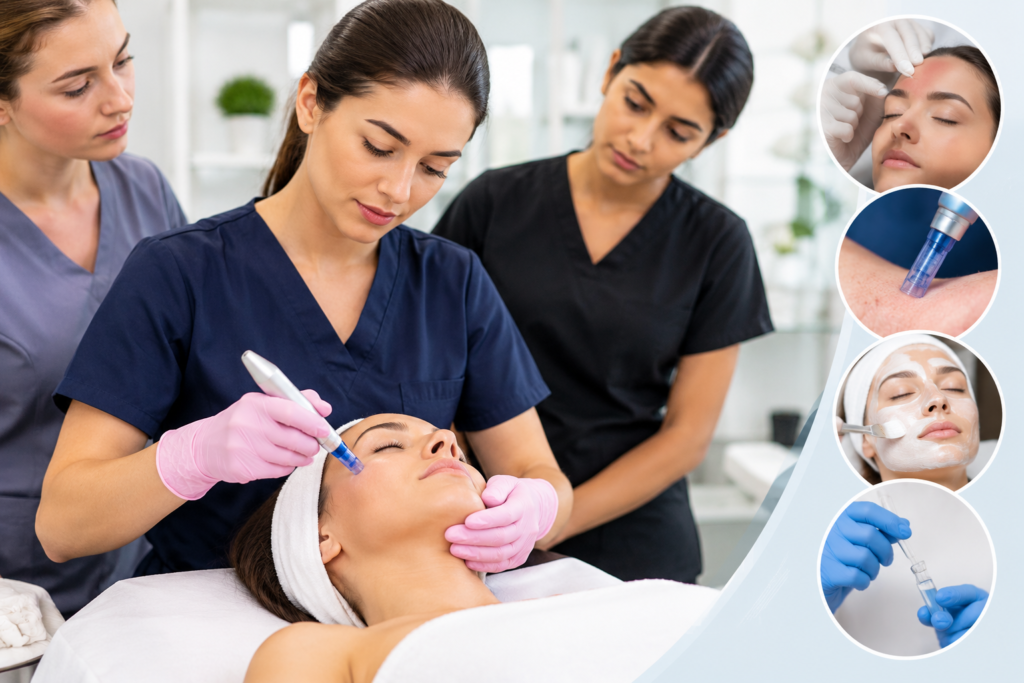
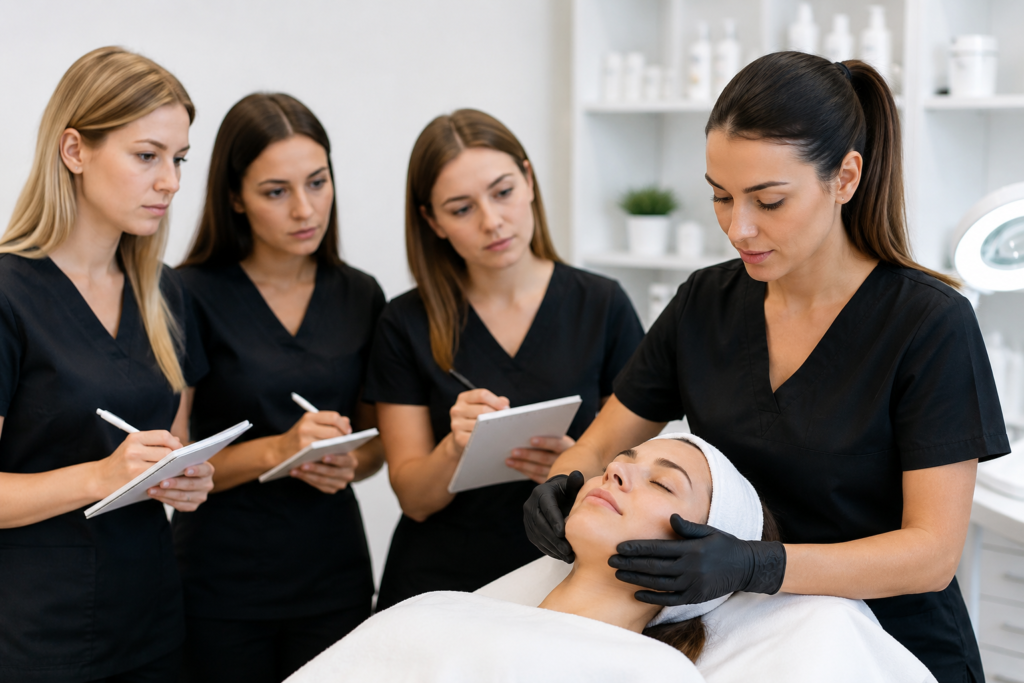
Where practical sessions are offered, ask about trainer qualifications, supervision, assessment methods, learner-to-trainer ratios and opportunities to demonstrate competence.
A certificate of attendance alone should not be assumed to establish clinical competence, professional registration or eligibility to practise independently.
How NATA Can Support Your Aesthetic Training Journey
NATA is a training brand for people exploring professional development in clinical aesthetics. If you are researching skin booster education in Liverpool, reviewing available courses and their entry requirements can help you determine whether a programme matches your experience and career goals.
Before choosing a course with NATA, prospective learners should confirm the current curriculum, eligibility requirements, practical components, assessment process and the recognition or accreditation applicable to the specific qualification.
It is also worth asking whether the course provides guidance on patient consultations, clinical documentation, treatment safety and ongoing professional development.
By evaluating these factors carefully, learners can make a more informed decision about their next step in aesthetic education.
Benefits of Developing Your Skin Booster Knowledge
Specialist education can help eligible practitioners strengthen their understanding of contemporary aesthetic procedures and improve the quality of their clinical decision-making.
Potential benefits include:
- Expanding knowledge of skin hydration and skin quality treatments.
- Improving consultation and patient communication skills.
- Developing a better understanding of treatment suitability and limitations.
- Strengthening awareness of complications and patient safety.
- Supporting continued professional development in aesthetics.
- Exploring additional services where qualifications, competence and insurance permit.
Training does not guarantee business growth or clinical outcomes. Success depends on appropriate qualifications, safe practice, ethical patient care and ongoing learning.
How to Choose the Right Skin Booster Training in Liverpool
Before booking a course, take time to compare providers and ask relevant questions.
Check the entry requirements: Make sure your existing qualifications and professional status meet the course criteria.
Review the syllabus: Look for comprehensive theory, consultation skills, safety training and practical assessment where appropriate.
Verify the trainer’s experience: Ask about relevant clinical qualifications, teaching experience and professional standing.
Understand the qualification: Confirm exactly what certificate or qualification you will receive and whether any claims of accreditation or recognition can be independently verified.
Ask about insurance and scope of practice: Check whether the course supports your intended professional activities and whether your insurer recognises the training.
Consider ongoing support: Find out whether learners receive learning materials, assessment feedback or access to further professional development.
Taking these steps can help you select training that supports responsible practice and long-term professional development.
Frequently Asked Questions (FAQs)
1. What is skin booster training?
Skin booster training is professional education covering the principles of skin booster treatments, including product knowledge, patient assessment, treatment suitability, safety and aftercare. Course content and practical components vary by provider.
2. Who can enrol in skin booster training in Liverpool?
Eligibility depends on the provider, course content and the learner’s qualifications. Injectable training may be restricted to appropriately qualified healthcare professionals or other eligible practitioners. Always check the specific entry requirements before applying.
3. What will I learn during skin booster training?
Depending on the course, topics may include skin anatomy, consultation techniques, product selection, contraindications, infection prevention, treatment planning, complications and aftercare.
4. How do I choose the best skin booster training course?
Compare the syllabus, trainer credentials, eligibility criteria, practical supervision, assessment process, qualification details and insurance requirements. Choose a course that prioritises patient safety and responsible clinical practice.
5. Does completing skin booster training allow me to practise independently?
Not necessarily. Completing a course does not automatically grant professional registration, independent practice rights or insurance eligibility. These depend on your underlying qualifications, professional scope, applicable regulations and insurer requirements.
6. Why is patient safety important in skin booster treatments?
As with other injectable procedures, skin booster treatments can carry risks, including infection, inflammation and vascular complications. Appropriate assessment, sound clinical knowledge, safe technique and prompt management of complications are essential.
Conclusion
Choosing the right Skin booster training Liverpool programme can be an important step for eligible healthcare professionals and aesthetic practitioners who want to develop their understanding of modern skin treatments.
A well-selected course should prioritise anatomy, patient assessment, product knowledge, infection prevention, complication awareness and appropriate practical education. These foundations help learners understand not only how treatments are performed, but also when they may be unsuitable.
If you are considering aesthetic training, explore the available options with NATA, review the course details carefully and confirm that the programme aligns with your qualifications, professional responsibilities and career objectives.

Responses