What Qualifications Do You Need to Become an Aesthetic Practitioner in the UK?

The aesthetics industry in the UK offers exciting opportunities for individuals interested in skincare, beauty treatments and non-surgical cosmetic procedures. From chemical peels and microneedling to advanced injectable treatments, there are different career pathways available for people who want to develop their skills in this sector. However, before starting a career in aesthetics, it is important to understand the qualifications and training required. Whether you are a beginner, beauty therapist or registered healthcare professional, choosing the right educational pathway can help you develop the knowledge and practical skills needed for professional practice. At National Aesthetic Training Academy (NATA), learners can explore different aesthetics qualifications designed to support their professional development, from foundational education to advanced clinical training.
1. Do You Need a Qualification to Become an Aesthetic Practitioner in the UK?
Although there is no single qualification covering every aesthetic treatment in the UK, appropriate training is essential for developing professional knowledge and competence.
The requirements depend on the procedure you intend to perform, your existing qualifications and the relevant professional and local regulatory requirements.
Before enrolling on a course, consider:
- Whether the qualification is awarded by a recognised organisation.
- Whether the programme covers your intended treatments.
- Whether practical training and assessments are included.
- Whether you meet the course entry requirements.
- Whether your qualification meets insurance requirements.
It is also important to understand that completing a short training course does not automatically make someone eligible to perform every cosmetic procedure.
2. What Are the Different Levels of Aesthetic Qualifications?
Aesthetic education is available at different levels, allowing learners to develop their knowledge according to their experience and career objectives.
Level 1 Aesthetics Qualification
A Level 3 qualification can provide a foundation for individuals interested in entering the aesthetics industry. It introduces important subjects that help learners understand skincare and professional treatment principles. Topics may include anatomy and physiology, skin structure, consultation procedures, health and safety and skincare knowledge. NATA offers the OTHM Level 3 Certificate in Principles of Aesthetics for eligible learners. This can provide a starting point for further education and professional development.
Level 2 Aesthetics Qualification
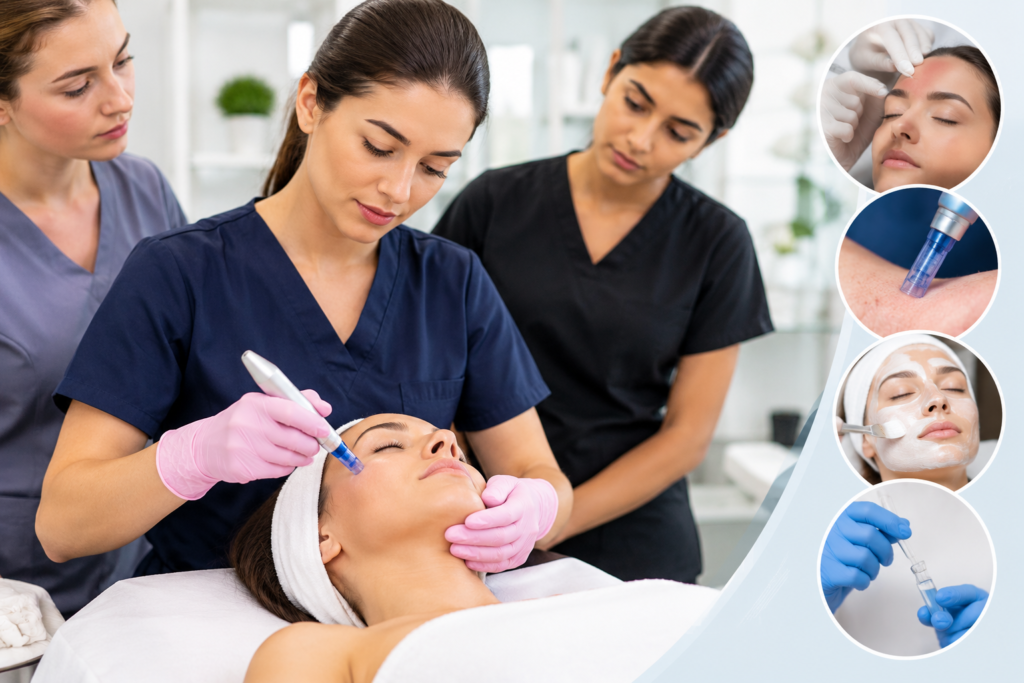
Level 4 qualifications allow eligible learners to develop more specialised knowledge in skin rejuvenation and advanced skin treatments. Depending on the programme, subjects may include chemical skin peeling, advanced skin needling, skin assessment and treatment planning. NATA offers the Level 4 Diploma in Contemporary Skin Rejuvenation, with specialist learning pathways for chemical skin peeling and advanced skin needling. Explore the NATA Level 4 Diploma to learn more about the programme.
Level 3 Aesthetics Qualification
Level 5 education provides opportunities for further professional development and more advanced study. Learners should check the specific programme requirements, including previous qualifications and relevant experience, before applying.
Level 4 Aesthetics Qualification
Level 7 qualifications are postgraduate-level programmes designed for advanced clinical education. NATA offers the OTHM Level 7 Diploma in Clinical Aesthetic Injectable Therapies for eligible registered healthcare professionals. The programme covers areas such as facial anatomy, dermatology, patient consultation, injectable treatments, clinical safety and professional responsibilities. This pathway is not intended as an entry-level qualification for beginners without the required healthcare background.
3. Can You Become an Aesthetic Practitioner Without a Medical Background?
Yes, there are opportunities for eligible non-healthcare professionals to study aesthetics and develop their skills in suitable non-injectable treatments. For example, beauty therapists and skincare professionals may explore qualifications covering chemical skin peels, skin needling and skin rejuvenation. However, injectable treatments involve additional clinical responsibilities and specific eligibility requirements. A beauty therapy qualification alone does not automatically allow someone to perform advanced injectable procedures. Before choosing a course, check the entry requirements, professional restrictions and insurance conditions associated with the treatments you wish to provide.
4. Why Is Accredited Aesthetic Training Important?
Choosing appropriate training is an important step towards developing a professional career in aesthetics.
A recognised qualification provides structured learning and assessment, helping learners build their understanding of treatment procedures and professional responsibilities.
Important benefits include:
- Professional Knowledge: Understand skin anatomy, treatment principles and client consultation.
- Safety Awareness: Learn about hygiene, contraindications, potential risks and aftercare.
- Practical Development: Build treatment-related skills through appropriate practical training.
- Professional Progression: Identify further learning opportunities within the aesthetics sector.
- Insurance Considerations: Understand the qualifications and evidence of competence required by insurers.
At National Aesthetic Training Academy, learners can explore structured education designed to support their development within the aesthetics industry.
5. How Do You Choose the Right Aesthetics Training Course?
Selecting the right course requires more than comparing prices. You should consider whether the programme matches your existing experience and future career plans.
Follow these steps before enrolling:
- Check Entry Requirements: Make sure you meet the academic and professional eligibility criteria.
- Review Accreditation: Confirm the awarding organisation and relevant course approvals.
- Understand the Curriculum: Check that the subjects cover the treatments and knowledge you want to develop.
- Look for Practical Training: Find out whether supervised practical sessions and assessments are included.
- Consider Learner Support: Ask about tutor guidance, mentoring and ongoing educational assistance.
Taking time to research your options can help you choose a suitable programme and avoid enrolling on training that does not match your professional goals.
6. Why Choose National Aesthetic Training Academy (NATA)?
The National Aesthetic Training Academy (NATA) offers aesthetic education for eligible learners interested in developing their knowledge and professional skills. With qualifications covering different levels of aesthetic education, NATA provides learning opportunities for both non-healthcare and healthcare professionals, depending on the programme. Learners can explore qualifications awarded by OTHM, JCCP-approved clinical aesthetic education, flexible online theory learning, practical training opportunities and ongoing mentoring support. Whether you are beginning your journey or looking to advance your existing clinical knowledge, exploring the available programmes at NATA can help you identify an appropriate learning pathway.
Conclusion
Becoming an aesthetic practitioner in the UK requires appropriate education, professional knowledge and an understanding of treatment safety. The qualifications you need will depend on your background and the procedures you intend to offer. Level 3 and Level 4 programmes can support foundational and specialist skin treatment education, while Level 7 clinical injectable training is intended for eligible healthcare professionals.Choosing suitable training is an important investment in your professional development. Visit National Aesthetic Training Academy (NATA) to explore available qualifications, check entry requirements and take the next step towards your aesthetics career.
Frequently Asked Questions
- What qualifications do you need to become an aesthetic practitioner in the UK?
The qualifications depend on the treatments you want to provide. Level 3 and Level 4 programmes cover relevant foundational and specialist skin treatment education, while advanced injectable training has additional clinical entry requirements.
- Can I study aesthetics without being a nurse?
Yes. Eligible non-healthcare professionals can study suitable non-injectable aesthetics qualifications, including courses covering skin rejuvenation and chemical skin peeling.
- What is a Level 7 aesthetics qualification?
It is a postgraduate-level qualification covering advanced clinical aesthetic education, including injectable therapies for eligible healthcare professionals.
- Is accredited aesthetics training important?
Yes. Appropriate training provides structured education, assessed learning and knowledge of professional responsibilities. It may also be required for insurance eligibility.
- How long does it take to complete an aesthetics qualification?
Course duration varies depending on the qualification level, programme structure, learning hours and practical assessment requirements. Contact NATA for details of individual courses.
Responses